Trying to decide between a home on a few acres or a place in a neighborhood in St. James? You are not alone. Each option delivers a different lifestyle, budget, and set of responsibilities. In this guide, you will learn the practical differences, what to check before you buy or sell, and how local factors in Phelps County can affect financing, insurance, and resale. Let’s dive in.
St. James at a glance
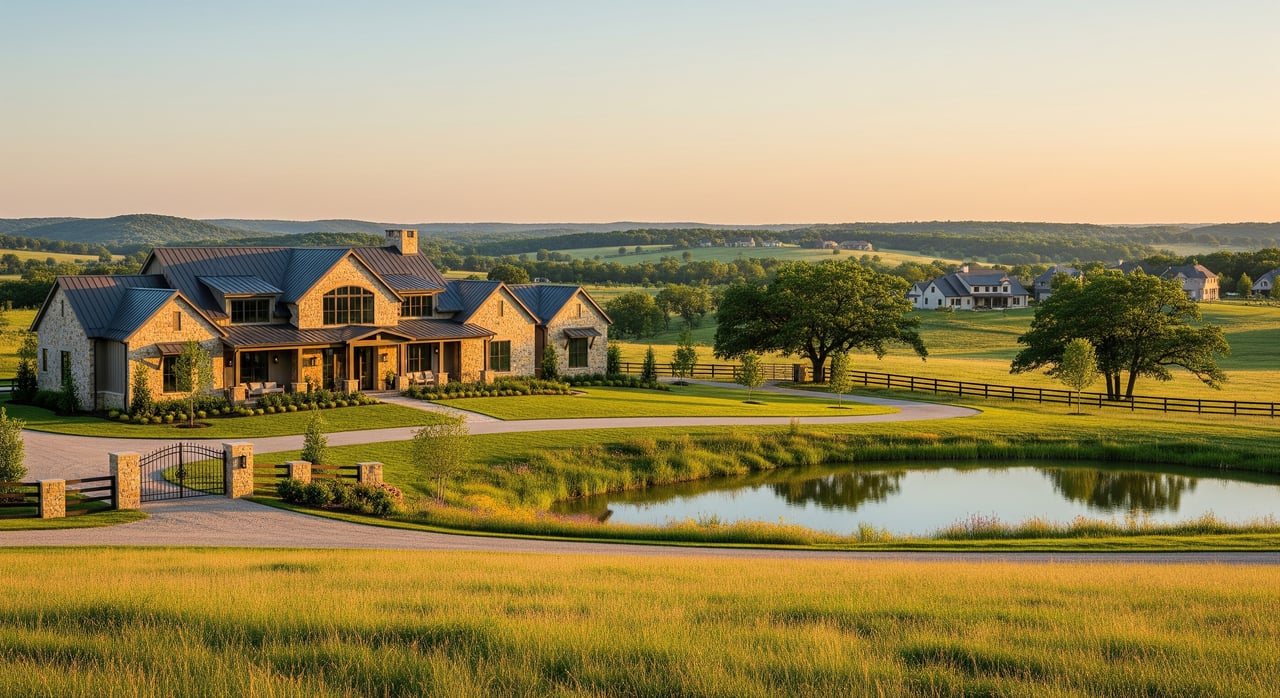
St. James sits in Phelps County in the Ozarks, just off I‑44. Inside city limits, homes typically have municipal water and sewer and closer access to services. Outside the city, many properties are rural acreage with private wells and septic systems. Parcels range from hobby-farm tracts and woodlots to larger agricultural or recreational land.
Market conditions, utility availability, and broadband coverage change often. Before you rely on price or service assumptions, confirm details with current MLS data, local providers, and the City of St. James or Phelps County offices.
Acreage vs subdivision: key differences
Utilities and infrastructure
- Subdivision homes are usually on municipal water and sewer if they are inside the city or in developed subdivisions. Streets may have pavement, curbs, storm drains, and lighting.
- Acreage properties often use private wells and septic systems. You may need propane, a longer electrical line run, and a plan for driveway or private road maintenance. Internet and cell service can be limited, so confirm service at the address.
Rules, permits, and land use
- Subdivision lots can be subject to city zoning, building permits, and HOA or subdivision covenants that guide what you can build and how you maintain it.
- Acreage is commonly under county zoning with rural residential or agricultural classifications. You may have fewer HOA restrictions but more county-level requirements for septic permits and driveways. Missouri right-to-farm protections can shape expectations for nearby agricultural activity.
Costs and ongoing expenses
- Purchase price dynamics differ. Smaller subdivision lots can command higher per-acre prices, though the total lot cost is usually less than a large acreage purchase. Larger acreage can raise the total price even if the per-acre rate is lower.
- Property taxes are set by the Phelps County Assessor. Classification matters. Land used for farming may qualify for agricultural valuation. Verify eligibility and how to apply.
- Ongoing costs can be higher on acreage, including driveway upkeep, fencing, brush clearing, and well or pond maintenance. Insurance for remote homes can also cost more in some cases.
Maintenance responsibilities
- Subdivision living keeps exterior maintenance simpler, with smaller yards and municipal services like trash and, in some cases, snow removal.
- Acreage requires more time and budget for tasks like invasive species control, tree care, fencing and gate maintenance, and private road snow clearing.
Services and emergency response
- Rural settings can see longer response times for EMS, police, and volunteer fire departments. Fire hydrant access and distance from stations can factor into insurance costs and availability.
- Mail and package delivery may use rural routes or cluster boxes depending on location.
Environmental and site factors
- On acreage, septic suitability, soil type, and a passing perc test matter. You should also confirm well yield and water quality.
- Topography and geology affect building plans and costs. Ozarks karst terrain can mean sinkhole risk or rapid groundwater flow. Drainage, wetlands, and floodplain status are important checks.
Lifestyle and privacy
- Acreage offers privacy, room for animals and recreation, and a rural feel.
- Subdivisions often bring sidewalks or play areas, closer proximity to services, and shorter drives to daily needs.
Resale and buyer pools
- Subdivision homes often appeal to a broader buyer pool and can sell faster in many markets.
- Acreage appeals to niche buyers such as hobby farmers, equine owners, or privacy seekers. Marketing time can be longer, though unique features like a pond, views, or strong access can support value.
Buyer due diligence checklist
Buying in St. James or rural Phelps County is easier when you verify key items up front. Use this checklist to stay on track.
Title and boundaries
- Current deed and legal description.
- Recent survey or plat to confirm corners and acreage.
- Easements for utilities, roads, or minerals.
- Road maintenance agreements or private road covenants, if any.
Utilities and site suitability
- Septic inspection, permit history, system design, and capacity. Confirm age and condition.
- Well log, water quality tests, and well yield in gallons per minute.
- Electric, gas or propane, and broadband availability at the address.
- For edge-of-town parcels, check public water or sewer hookup options.
Environmental and hazards
- FEMA flood map review for flood insurance needs.
- Soil maps and septic suitability indicators for erosion or perc issues.
- Any wetlands or conservation easements that affect use.
- Karst geology considerations. Consult local experts when needed.
Permits and zoning
- County zoning classification and permitted uses.
- Setbacks, size limits, and building envelope.
- Agricultural exemptions or minimum acre rules for certain uses.
- Driveway permits or culvert standards for county roads.
Access and services
- Confirm public vs private road status and who maintains it.
- Winter road maintenance coverage and snow plan.
- Fire protection and EMS coverage area and distance to services.
Financing and insurance
- Property tax history and classification.
- Insurance quotes, including farm liability or outbuilding coverage if applicable.
- Lender requirements for rural parcels, including surveys and appraisals.
Agricultural or operational needs
- Livestock rules and fencing requirements.
- Pond permits, water rights, and irrigation constraints.
- Documentation for agricultural use or tax status.
Seller prep checklist
Make your listing easier to evaluate and appraise by preparing documents and details early.
If selling acreage
- Septic and well records, including service and testing history.
- Boundary survey, easements, and any road or maintenance agreements.
- Fencing details, gate access, pasture or timber information, and any conservation or program enrollments.
- Utility upgrades, drive improvements, and site work. Document costs and dates.
If selling in a subdivision
- HOA or subdivision covenants and contact details.
- Recent utility bills and information on municipal services.
- Any permits pulled for additions or improvements.
- Floor plan and neighborhood amenity highlights.
Financing, appraisal, and insurance
Financing is available for both subdivisions and acreage, but details matter. Conventional mortgages are common. USDA Rural Development, FHA, and VA may be options for eligible properties when program rules are met. Rural homes must still function as primary residences for these programs, and wells and septic systems must meet health standards.
Appraisals on acreage can be complex because comparable sales are limited. Appraisers may separate land value from the home and outbuildings. Features such as barns, fenced pasture, or ponds can influence appeal, yet not always at dollar-for-dollar levels. Sellers help the process by providing a survey, utility documentation, and a list of improvements.
Insurance costs can be higher for rural homes with longer emergency response times or limited hydrant access. Specialty coverage may be needed for farm liability, outbuildings, or well and pump systems. If a parcel touches a flood zone, plan for flood insurance. It is smart to obtain quotes early so you can budget confidently.
Market and resale in St. James
Buyer interest in St. James spans several groups, including local families looking for neighborhood convenience, relocating buyers seeking space and privacy, and hobby farmers or recreational land seekers. Time on market can vary with interest rates and inventory levels. Subdivision homes often draw a wider buyer pool, while acreage benefits from targeted marketing to buyers who value land features.
The way you present your property matters. Drone photography and maps work well for acreage to show boundaries, topography, and access. Subdivision listings benefit from clear floor plans, neighborhood amenity photos, and accurate utility information. Strong documentation builds trust with buyers and can ease appraisals.
How to decide what fits you
Choosing between acreage and a subdivision is about tradeoffs. Use these prompts to guide your decision.
- Privacy and space: Do you want room for animals, gardens, or recreation, or do you prefer a simpler lot with less upkeep?
- Time and maintenance: Are you ready to handle driveway care, brush clearing, or fencing, or would you rather keep yard work light?
- Daily logistics: How much drive time are you comfortable with to town services, stores, and community amenities?
- Utilities and connectivity: Will private well and septic fit your needs, and is your work or streaming supported by local internet options?
- Budget certainty: Would you prefer predictable municipal services, or are you comfortable budgeting for rural maintenance and insurance?
- Resale goals: Do you want to appeal to the broadest buyer pool, or are you targeting a niche that values land features?
If you want a balanced path, consider a home on a modest acreage near city limits or in a rural subdivision served by municipal utilities. The right fit reflects your lifestyle, budget, and comfort with maintenance.
Ready to weigh options in St. James with a local team that handles both rural acreage and subdivision homes every day? Reach out to The Closers Real Estate Team for clear guidance, a tailored plan, and marketing that showcases your property the right way.
FAQs
Will a lender finance a home on acreage in Phelps County?
- Yes. Many conventional lenders will finance rural homes, and USDA, FHA, and VA may apply when program rules are met. Confirm access, utilities, and appraisal standards early.
Do I need a septic inspection when buying acreage near St. James?
- It is strongly recommended. Septic issues can be costly, affect financing, and delay closing. Ask for permit history and system capacity.
How do property taxes compare on acreage vs subdivisions?
- Taxes depend on assessed value and classification. Land used for farming may qualify for agricultural valuation. Verify with the Phelps County Assessor.
Why is a survey so important on rural parcels?
- Surveys confirm boundaries, acreage, and easements. They reduce disputes and help lenders and appraisers value the property accurately.
What should I know about internet and cell service on acreage?
- Service varies by location. Many rural buyers use fixed wireless, DSL, or satellite. Check provider coverage and neighbors’ experiences at the exact address.
What should acreage sellers disclose about maintenance and access?
- Provide road maintenance agreements, utility easements, fencing condition, and septic and well records. Clear documentation builds buyer confidence.