PCS orders to Fort Leonard Wood and not sure where to live in St. Robert? You want a short commute, reliable school logistics, and housing that fits your budget and timeline. This guide breaks down the key St. Robert areas, commute realities, price signals, and the steps to pick the right spot with confidence. Let’s dive in.
Why St. Robert works
St. Robert is the primary gateway community to Fort Leonard Wood, with everyday services, shopping, and hotels that make transition easy for incoming families and contractors. The city positions itself as a service hub for the post, so you’ll find plenty of options for groceries, banking, and dining close by. You can learn more about local amenities on the city’s website at St. Robert’s official site.
Commutes from much of St. Robert are short. Many central neighborhoods are roughly 10 to 20 minutes to the main gate in normal traffic. Review which gate you’ll use most and check current gate hours before choosing a route, since some satellite gates have restricted times. For base context and orientation, see the Fort Leonard Wood overview.
Quick market snapshot
Home prices vary by source and season. Recent public trackers showed medians ranging from about $228,000 to roughly $317,500 across late 2025 to early 2026. Typical market rents trend around about $1,014 per month. Because datasets differ and the market has been variable, use those figures as guideposts and ask a local MLS-backed agent for up-to-the-day comps.
Neighborhoods and corridors near the post
Central St. Robert / St. Robert Blvd (Exit 161)
- Commute: Often under 15 minutes to the main gate in normal traffic. Check gate hours if you plan to use a satellite entrance.
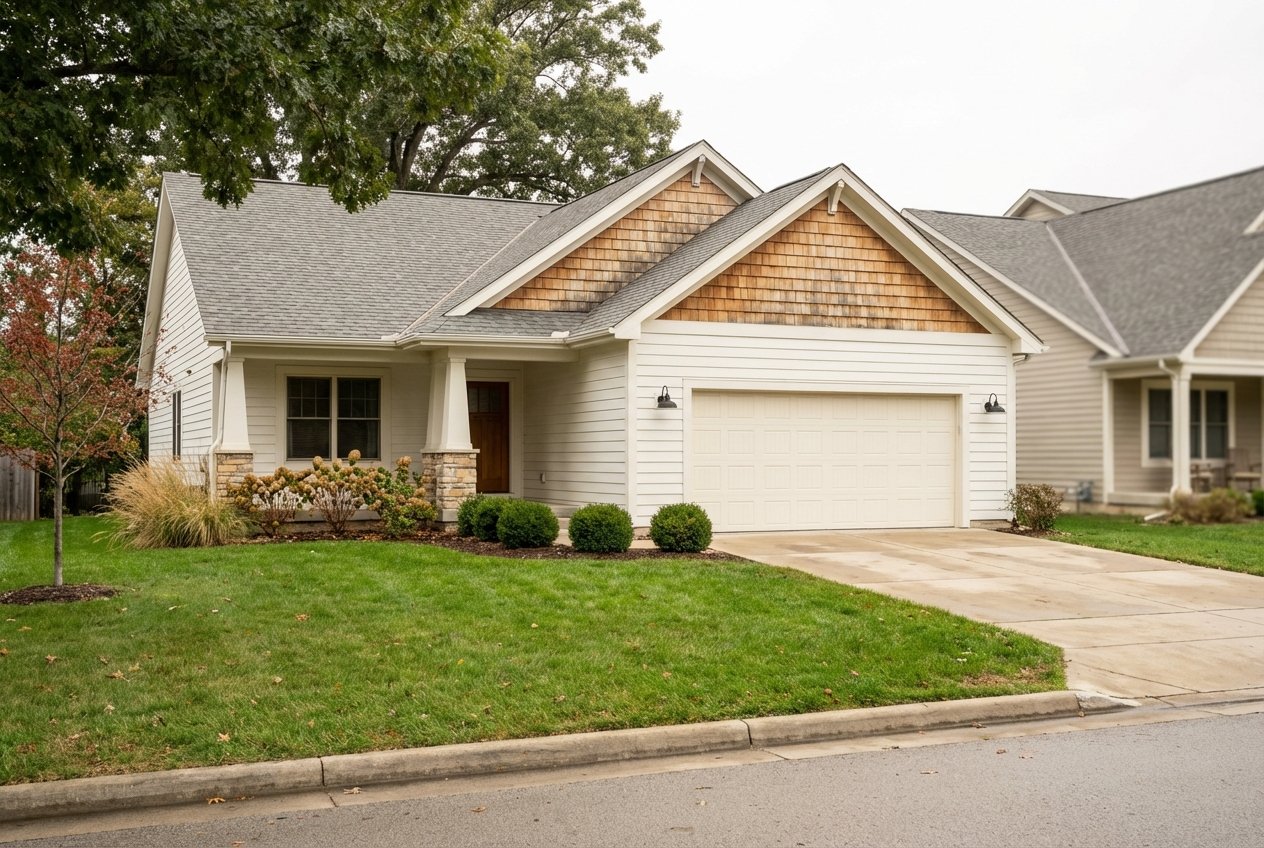
- Homes and cost: A mix of apartment complexes, condos/duplexes, and smaller-lot single-family homes. One to two-bedroom rents commonly sit in the low-to-mid hundreds monthly, with larger units higher. Citywide sale medians generally fall in the low-to-high $200s, with some trackers posting higher.
- Lifestyle: Max convenience to shopping, grocery, and day-to-day errands. You’ll notice more short-term stays due to training cycles and PCS traffic.
Hickory Ridge and condo clusters
- Commute: About 10 to 20 minutes to the main gate depending on the unit and the gate you use.
- Homes and cost: Condominium units and purpose-built apartments are common. Rent aggregators show many multi-bedroom rentals in the $800 to $1,400 range. Condo prices can trend below detached-home medians, which may appeal to some VA buyers.
- Lifestyle: Compact neighborhoods with simple maintenance and, in some pockets, walkability to services.
Hidden Valley / Carmel Valley corridor
- Commute: Similar to central St. Robert at around 10 to 20 minutes to the main gate, with some blocks providing quicker access to certain gates.
- Homes and cost: A mix of starter single-family homes, duplexes, and townhomes. Newer or slightly larger homes can push toward the upper end of the citywide range. Short-term and extended-stay options are common nearby.
- Lifestyle: Close to chain retail and restaurants. Good for those who want shopping and services at hand.
Route 66 historic corridor
- Commute: Still close-in for daily base access.
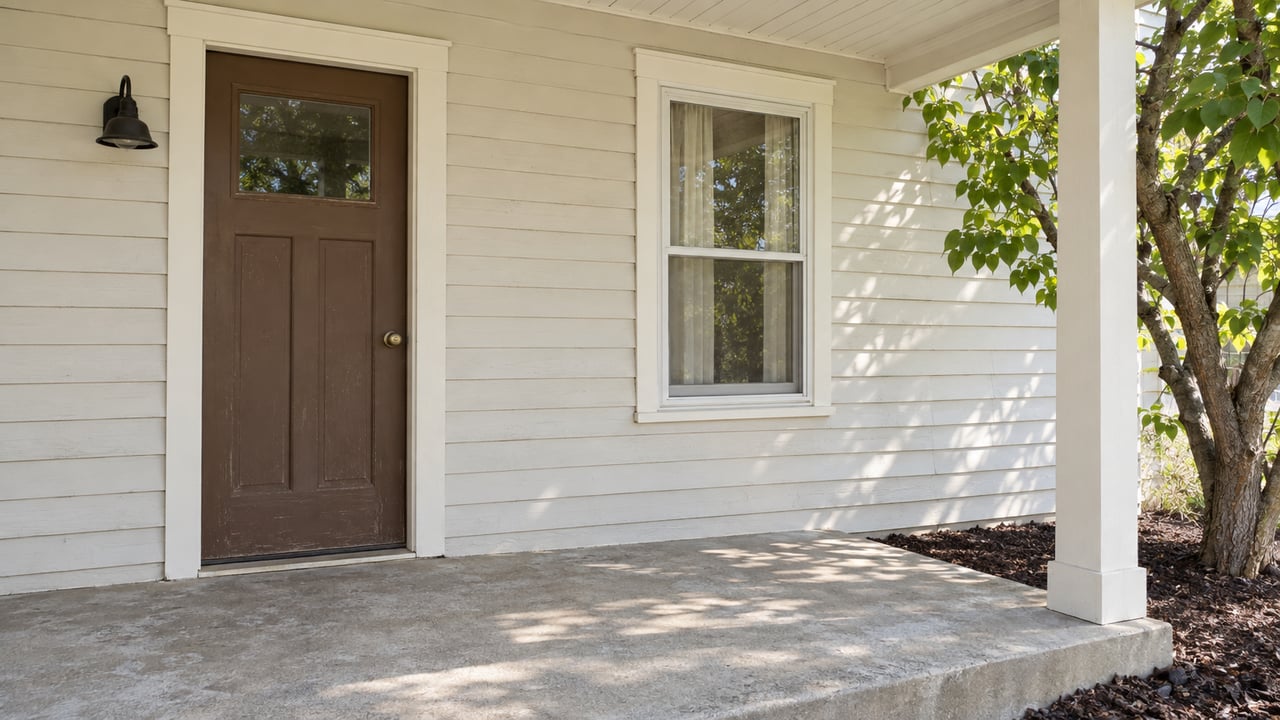
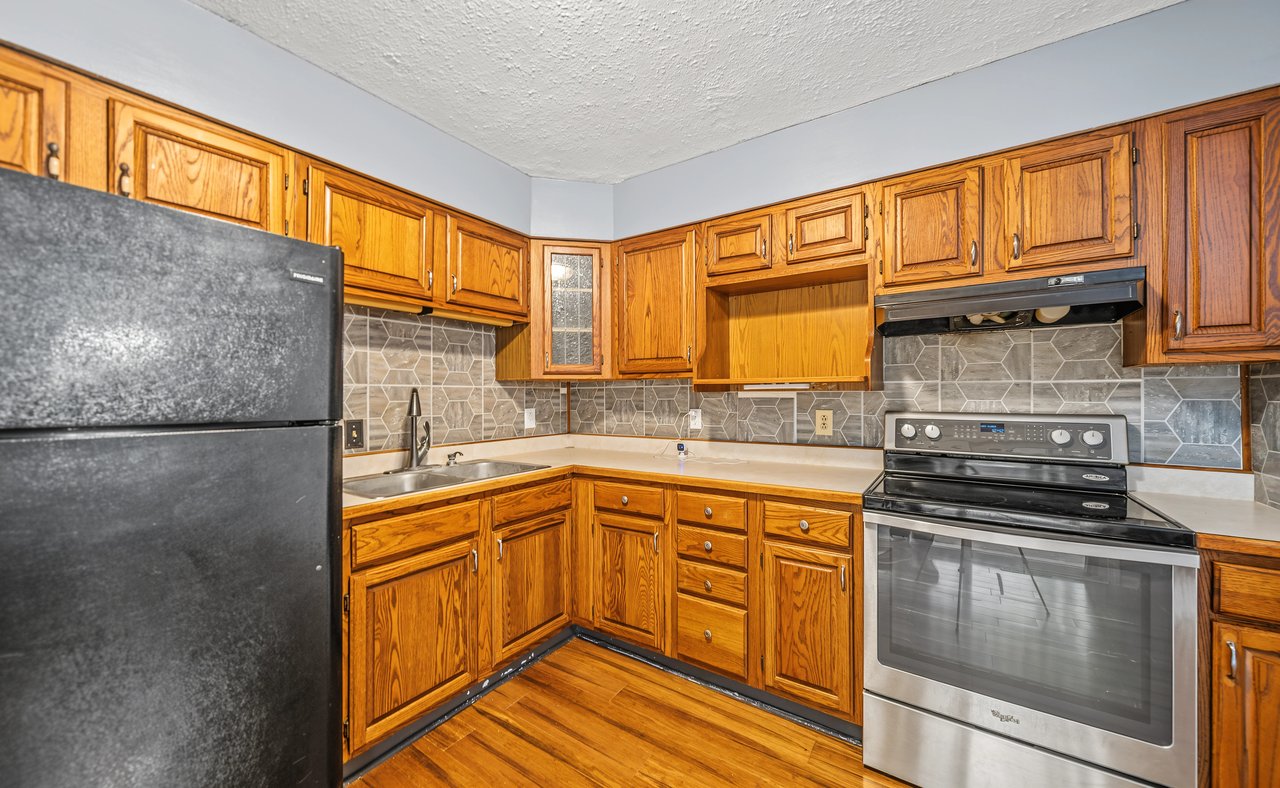
- Homes and cost: Older housing stock, including ranch-style homes on modest lots. Prices can be lower than in newer subdivisions, but condition varies, so plan for thorough inspections and possible updates.
- Lifestyle: A small-town feel with local restaurants and community events centered around the Route 66 corridor and neon park.
South St. Robert near South and West gates
- Commute: Being closer to the South and West gates can help if your duty location is tied to facilities reached through those entrances. Gate hours have changed in the past, so confirm schedules before you count on a specific route. For a recent notice on gate times, review this local gate-hours update.
- Homes and cost: A mix of single-family homes and pockets that feel more residential or quiet.
Perimeter options: Waynesville and rural Pulaski County
- Commute: Expect 20 to 45 minutes or more depending on distance and road conditions.
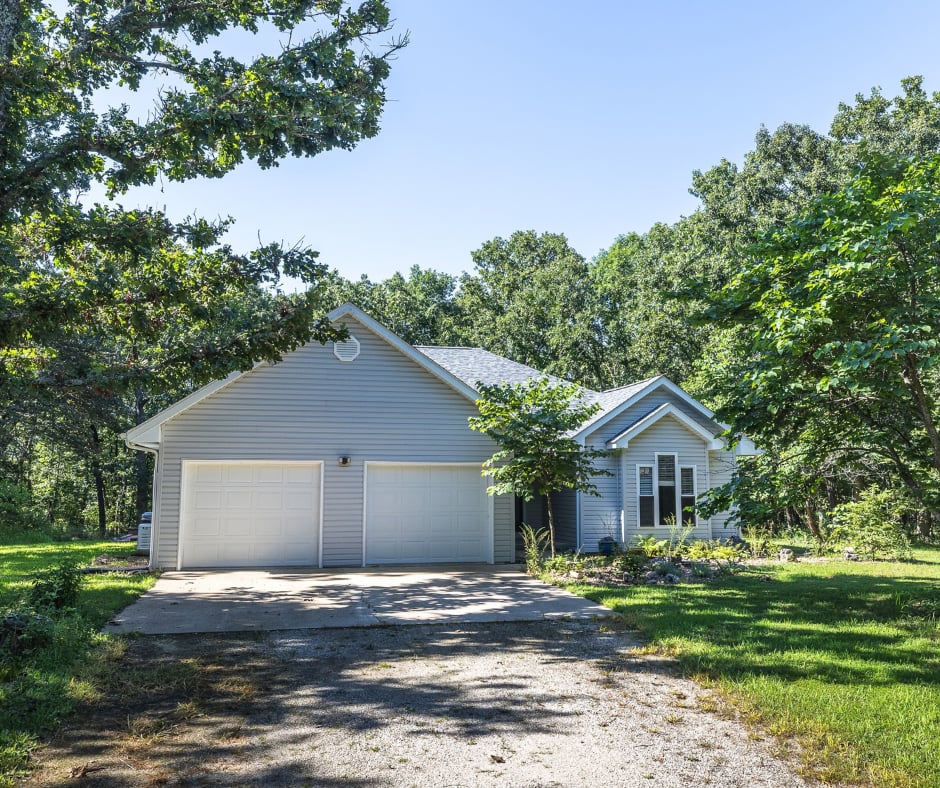
- Homes and cost: Larger lots and acreage are more common, and price per acre can be attractive. If you commute daily, evaluate road quality and winter travel when comparing options.
Schools: Waynesville R‑VI
St. Robert is served by the Waynesville R‑VI School District, which operates both on-post and off-post schools and supports a large military-connected student population. Attendance zones vary by address, so verify boundaries with the district before you commit to a home. For district updates and contacts, visit the Waynesville R‑VI live feed. Fort Leonard Wood’s School Liaison can also help explain placement and transportation.
On-post vs. off-post housing
On-post housing at Fort Leonard Wood is privatized and uses its own application and placement process. Off-post housing gives you more variety in price, lot size, and ownership, but you’ll want to weigh commute, gate access, and school boundaries. For an overview of on-post services and contacts, start with this Fort Leonard Wood family guide.
Commute, gates, and travel
Plan your home search around your duty location. A 12-minute drive to the main gate is not always faster than a 10-minute drive to a different gate, especially if hours change. Keep an eye on official updates and local notices such as this recent gate-hours report.
For air travel, Waynesville–St. Robert Regional Airport at Forney Field (TBN) serves the area, while Springfield–Branson (SGF) and St. Louis (STL) offer more routes. See TBN’s details here: Waynesville–St. Robert Regional Airport.
Medical access
General Leonard Wood Army Community Hospital (GLWACH) is on post and provides emergency, urgent, and specialty care for military beneficiaries, and sometimes receives civilian trauma referrals. If medical access is a priority, consider proximity to the hospital in your decision. Review services and access guidance at GLWACH’s urgent and emergency care page.
Moving timeline and short-term stays
Spring and summer bring heavier PCS and training cycles, which push up demand for rentals and furnished short-term stays, especially close to Exit 161. If you expect to arrive in those months, book early and consider a furnished option while you shop for a permanent home. This can take pressure off your timeline and help you test commutes in real traffic.
Quick checklist
- Decide on on-post or off-post early and contact the Fort Leonard Wood Housing Office to understand waitlists and timelines.
- Identify which gate and facility you will use most, then test a real-time drive at your typical arrival and departure hours.
- Check Waynesville R‑VI attendance boundaries before you shop. The district’s School Liaison can help with placement and bus routes.
- If you need a short-term rental during training or while house hunting, book early in spring and summer.
- Verify gate hours and ID requirements near your arrival date. Do not assume a late-night route will be open.
Ready to compare neighborhoods, commute plans, and current comps? Reach out to The Closers Real Estate Team for a quick consult. We’ll help you narrow your search, coordinate virtual tours, and line up the right timeline for a smooth landing in St. Robert.
FAQs
What are the best areas in St. Robert for a short commute to Fort Leonard Wood?
- Central St. Robert near St. Robert Blvd, the Hidden Valley/Carmel Valley corridor, and south-side neighborhoods near the South and West gates are popular for short drives. Always match your choice to the gate you’ll use most and confirm gate hours.
How much does it cost to buy or rent near Fort Leonard Wood in St. Robert?
- Recent medians range roughly from about $228,000 to about $317,500 depending on the source and month, and typical rents are around $1,014 per month. Ask a local MLS agent for current comps by neighborhood and property type.
Which school district serves St. Robert, and how do I check boundaries?
- St. Robert is served by Waynesville R‑VI. Confirm attendance zones with the district before you sign a lease or contract, and contact the School Liaison for placement guidance.
Is on-post or off-post housing better for my family at Fort Leonard Wood?
- It depends on your priorities. On-post housing centralizes services and has its own application process. Off-post housing offers more price points and property types but requires commute and gate-hour planning.
What airports serve the Fort Leonard Wood area?
- Waynesville–St. Robert Regional Airport (TBN) is local for regional connections. Springfield–Branson (SGF) and St. Louis (STL) are the nearest larger airports with broader flight options.