Fort Leonard Wood's New On-Post Homes Are Quietly Splitting the Waynesville and St. Robert Markets
October 1, 2026
October 1, 2026
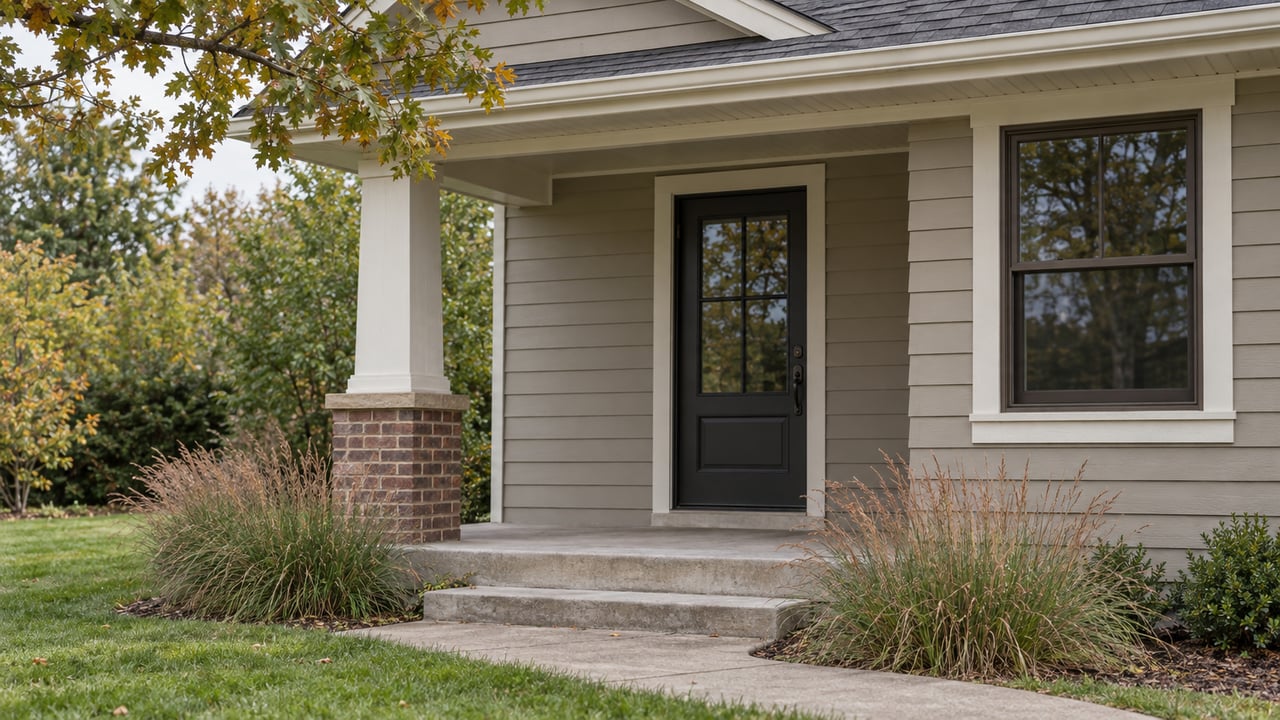
On December 10, 2025, Army leadership and Balfour Beatty Communities broke ground on 69 new homes in the Woodlands neighborhood at Fort Leonard Wood. The project is a $50 million investment, with the first phase delivering 56 units built as 28 duplexes near the Woodlands Community Center, an elementary school, and a set of neighborhood playgrounds. It added to an on-post inventory that already topped 1,800 homes spread across seven neighborhoods, so in raw numbers it's a modest bump. But the timing lines up almost exactly with a sharp jump in what the Army pays its people to live off post, and nine months later, the two towns that share Fort Leonard Wood's gate are moving in opposite directions.
St. Robert, the town closest to the Main and North Gate and the default landing spot for families arriving on orders, is taking longer to sell and pulling back on price. Waynesville, home to the school district that serves most military families at the post, is selling faster and climbing. Same base, same BAH table, same PCS calendar. Different market entirely.
The 2026 Basic Allowance for Housing table for Fort Leonard Wood rose about 10.5 percent from 2025, one of the larger installation-wide increases in the Army. An E-5 with dependents now draws $1,479 a month, up from $1,311 the year before, a jump of $168 a month or roughly 12.8 percent for that specific pay grade and dependency status. An E-5 without dependents draws $1,290. Further up the chart, an E-6 with dependents gets $1,722, an E-7 with dependents gets $1,833, and an O-3 with dependents gets $2,028.
That's real money, and it's easy to read it as more buying power across the board. But BAH isn't built from home sale prices. It's built from rental surveys. The Department of Defense sets each installation's rate to cover roughly 95 percent of local rental and utility costs for that pay grade, benchmarked to typical local rents rather than above-median or premium housing. A bigger BAH check tells you rents went up in the survey. It doesn't automatically tell you that home prices moved with it, and this year they didn't move together at all.
St. Robert sits three to ten minutes from the gate and has long been the first stop for young enlisted families deciding whether to rent short term or buy. Over the three months ending August 2026, the median sale price held close to flat, down just 0.066 percent from the same period a year earlier at $285,000. But the average price for August alone was $269,000, down 8.7 percent year over year. Homes that used to sell in about two weeks are now averaging 29 days on market, more than double the 13 days from last year. At the same time, more homes actually sold in August, 38 compared to 31 the year before.
That combination, more sales, slower pace, softer average price, doesn't read like buyers fleeing St. Robert. It reads like a market absorbing extra supply. Some of that supply is likely coming from the same place the gap in BAH logic points to: families who would have rented an off-post house in St. Robert while sorting out their next move now have a lower-friction option back on post. No security deposit, no credit check, water and sewer covered, and 56 brand new units opening in a neighborhood built around a school and a community center. That pulls at least some of the renter-first demand that has traditionally kept St. Robert's off-post rental homes, and the homes converted from rentals into listings, moving quickly.
Waynesville tells a different story. The average home value there sits at $213,701, up 8.4 percent over the past year, and homes are going to pending in about eight days. That's not a market absorbing extra inventory. That's a market with more buyers than available homes.
Part of the reason traces back to who actually buys in Waynesville versus who rents near the gate. Fort Leonard Wood has no schools of its own on post, so children of military families attend the Waynesville R-VI School District. Families planning to stay through a full assignment, or planning to retire in the area, have a reason to put down roots in Waynesville specifically, tied to schools and neighborhoods rather than to proximity for a short-term lease. That's a different buyer than the renter-first household the new on-post units are competing for, and it's a demand curve the Woodlands groundbreaking doesn't touch.
| Metric | St. Robert (Aug 2026) | Waynesville (current) |
|---|---|---|
| Price | $269K average (Aug), $285K median (3-month) | $213,701 average value |
| Year-over-year change | Average down 8.7% | Up 8.4% |
| Time to sale/pending | 29 days average, up from 13 | About 8 days to pending |
| Distance from Main Gate | 3 to 10 minutes | Longer commute, tied to Waynesville R-VI schools |
| Recent supply shift | New on-post units competing for renter-first demand | Owner-occupant demand largely unaffected |
If you're weighing proximity and flexibility while you figure out your next few years at Fort Leonard Wood, St. Robert's slower pace this fall actually works in your favor. More days on market means more room to compare listings and negotiate, and the extra on-post competition means sellers there have real incentive to price and present carefully.
If your plan is to buy and stay, tied to a school, a yard, or a long-term assignment, Waynesville's eight-day pending window means less room to wait around. A bigger BAH check helps the monthly math either way, but the underlying markets aren't offering the same deal. In Waynesville that extra $168 a month for an E-5 with dependents is going into a market still climbing. In St. Robert it's arriving in a market that just gained a large, low-friction competitor for the exact renters most likely to eventually buy.
Neither direction is a red flag. It's two markets a few minutes apart responding to the same BAH increase in different ways, because BAH itself was never built to track home prices in the first place.
Does the new on-post housing mean St. Robert will keep cooling? Only the first phase, 56 of the planned units, has broken ground, and on-post waitlists at Fort Leonard Wood can still run weeks to months, especially during the summer PCS season. The effect on St. Robert so far looks partial, tied to timing rather than a permanent shift in demand.
If BAH went up 10.5 percent, why isn't buying power up the same amount? Because BAH is calculated from local rental surveys, not from what comparable homes are selling for. A rent-based number moving faster than a sale-price number is exactly what shows up when the two aren't tracking the same market forces.
Is Waynesville's eight-day pending time a sign there's no room to negotiate? It means a serious offer needs to be ready fast, with financing lined up in advance. It doesn't mean every home is going above asking. It means buyers who wait a week to decide are usually deciding on a home someone else already has under contract.
If you're weighing Waynesville against St. Robert with a set of PCS orders or a BAH number in hand, The Closers can walk through what each town's current pace actually means for your specific budget and timeline.
Stay up to date on the latest real estate trends.

buyer
with Sasha Spachmann

buyer
with Sasha Spachmann

buyer
with Sasha Spachmann

buyer
with Jenna Davis

buyer
with Tina Nash
Get assistance in determining current property value, crafting a competitive offer, writing and negotiating a contract, and much more. Contact us today.