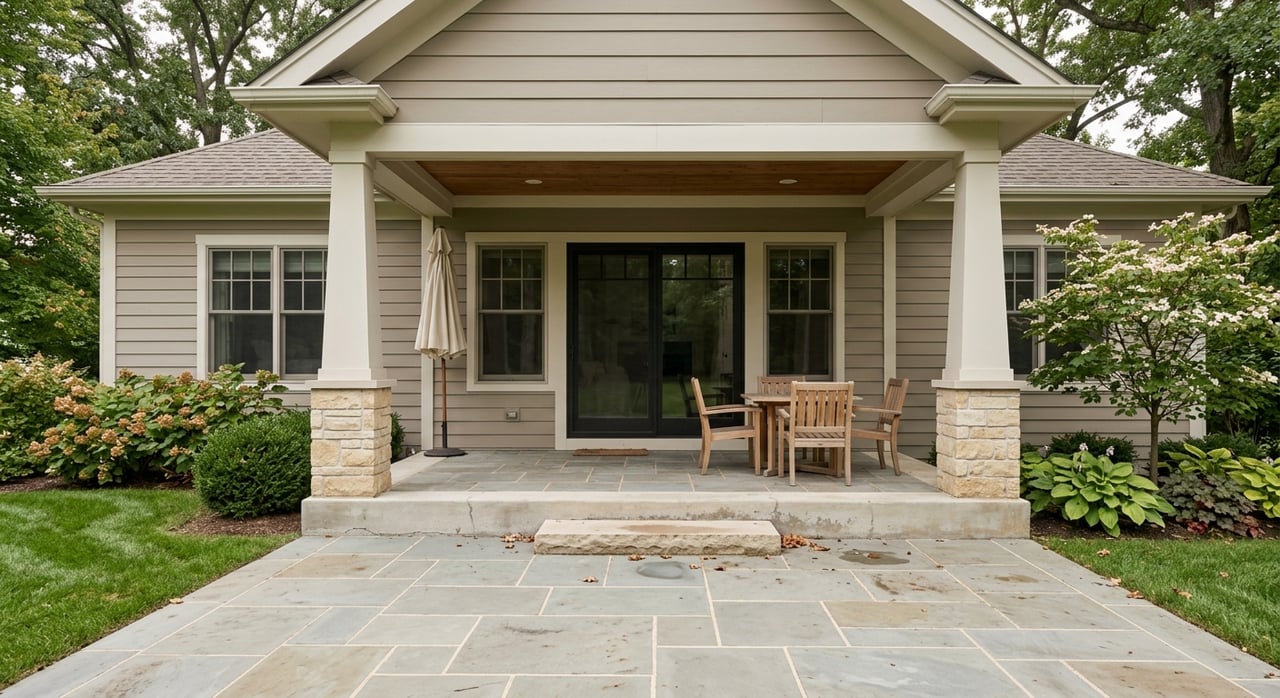
How to Sell St James Golf Course Homes with Confidence
May 21, 2026
May 21, 2026
If you’re selling a home near the St. James Golf Course, one question matters right away: does your location actually add value, or does it just sound like it should? That can be hard to sort out in a small market like St. James, where pricing snapshots vary and golf-course influence is not the same from one property to the next. The good news is that with the right pricing, timing, and presentation strategy, you can position your home more clearly and protect its value. Let’s dive in.
A home near St. James Golf Club is not automatically worth more just because it sits close to the course. Research shows that golf-course value is highly site-specific, which means the exact relationship between your home and the course matters more than the label alone.
In simple terms, buyers respond to what they can actually see and experience. A true fairway or open-space view from the main living areas can be more meaningful than a home that is technically near the course but has no real sightline, limited privacy, or little visual connection.
When buyers evaluate a golf-course-adjacent home, they are often reacting to several details at once. These features can shape how your property is perceived and how it should be priced.
Research from the Appraisal Journal shows that view quality follows a hierarchy, and golf-course views can carry stronger appeal than homes with no view or limited open-space exposure. That means your value may come from an attractive, usable view corridor, not just your street address.
If your deck, patio, or back windows overlook open fairway space, that may be a real selling point. If the course is nearby but not visible in a meaningful way, that distinction matters.
Privacy can be just as important as the view itself. A home with mature landscaping, setback from activity, or a comfortable buffer may feel more peaceful to buyers than one with direct exposure to high-traffic areas.
This is especially important near a public-access course like St. James Golf Club. Since the course is semi-private and open to the public, activity levels may be more noticeable at certain times of year.
Not every course-facing position is positive. One peer-reviewed study found that proximity to a cart path reduced transaction prices in its sample, with larger discounts near greens and tee boxes.
That does not mean your property will be discounted, but it does show why exact placement matters. A home beside a quiet stretch of course may be perceived very differently from one near a cart path or event-heavy area.
In St. James, broad market numbers can only tell part of the story. Public data snapshots vary quite a bit depending on the platform and time frame, so citywide medians should be treated as directional context rather than the final word on your list price.
That matters even more when your home sits near the golf course. The strongest pricing strategy is usually based on the closest recent sales with similar location traits, especially homes with comparable views, privacy, and distance from course activity.
Recent public figures for St. James show a wide spread. One source reported a median sale price of $120,000 in March 2026, another reported a median sale price of $199,900 with 64 homes for sale and 80 median days on market, and another placed the average home value at $236,786 as of April 30, 2026.
Those numbers are not interchangeable. They use different methods and time windows, which is why a golf-course-adjacent home needs a more precise comparison set than a general city average.
If you are listing near the course, your pricing strategy should consider:
A home with a strong view and privacy buffer may deserve a different strategy than one that is merely close to the course. That difference can affect both buyer interest and negotiating room.
St. James Golf Club operates year-round when weather and course conditions allow, and its 2026 tournament schedule runs from March 21 through October 2. For sellers, that seasonality can be useful.
When the course is green and active in spring and early fall, homes with attractive course views may show especially well. Buyers can better understand the setting, and listing photos often feel stronger when the landscape is at its most appealing.
If you have flexibility, spring or early summer may offer an advantage. The fairways are more visually appealing, and your marketing can better highlight outdoor living spaces, sightlines, and the overall setting.
This can be especially helpful if your back patio, deck, or yard is part of the home’s appeal. Buyers tend to respond more strongly when they can immediately picture how the space feels and functions.
If your home sits close to a cart path, tee area, or other active part of the course, showing strategy matters too. Tournament days or busier weekends may bring more movement nearby, which could distract from the home or change the way buyers experience the property.
In that case, it may make sense to schedule showings around quieter windows. A calmer showing environment can help buyers focus on the home itself, along with its privacy, layout, and view quality.
One of the biggest mistakes sellers make is assuming buyers will fill in the blanks. If your property benefits from course proximity, your marketing should show it clearly rather than just mention it.
That means the visual story matters. Photos should help buyers understand what the home looks out onto, how the backyard lives, and whether the setting feels open, private, scenic, or active.
If your home has a genuine view, focus on photos that show:
This works best when the feature is real and visible. If the course is nearby but not visually meaningful, it is usually better to let pricing and overall home presentation lead the strategy.
Accurate positioning builds trust. If the property has scenic golf-course views, say so and support that claim with strong visuals.
If the home is close to the course without a notable view, that should be reflected in the pricing and marketing tone. Overstating the golf-course benefit can create the wrong expectations and weaken buyer confidence once they visit in person.
St. James is a smaller market, and that changes how sellers should think about pricing and preparation. In a thinly traded market, there may be fewer truly comparable sales, and small location differences can matter more than they would in a larger metro area.
For a home near St. James Golf Club, that means precision matters. The nearest relevant sale may tell you more than broad city data, especially if that sale shares similar course exposure, lot feel, and privacy.
Before listing, it helps to step back and evaluate your home the way a buyer would. Ask yourself what the golf-course location actually offers in daily life.
A practical pre-listing review should include:
That kind of detail-led approach is often what separates a well-positioned listing from one that sits. In a market like St. James, thoughtful pricing and sharp presentation can make a meaningful difference.
If you’re thinking about selling a home near the St. James Golf Course, local knowledge matters. The Closers Real Estate Team can help you evaluate how your exact location, view, and timing may affect your sale so you can move forward with a strategy built for your property.
Stay up to date on the latest real estate trends.

active under contract
with Tina Nash
buyer
with Sasha Spachmann
buyer
with Sasha Spachmann

buyer
with Sasha Spachmann
buyer
with Sasha Spachmann
Get assistance in determining current property value, crafting a competitive offer, writing and negotiating a contract, and much more. Contact us today.