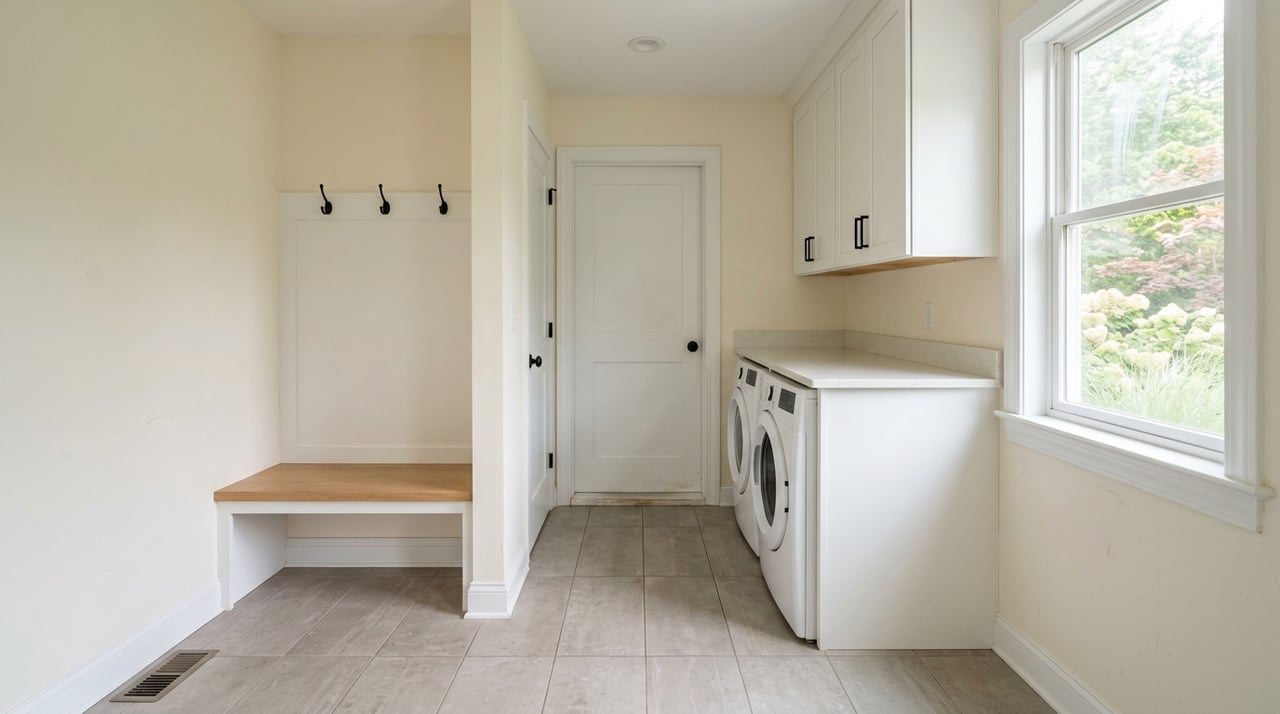
Should You Rent Or Sell Your St. Robert Home After PCS?
April 23, 2026
April 23, 2026
If you just got PCS orders, one question can get complicated fast: should you rent out your St. Robert home or sell it before you go? That decision affects your timeline, cash flow, taxes, and stress level during a move that may already feel packed. The good news is that you can make a smart choice by looking at a few local and financial factors before the clock runs out. Let’s break it down.
St. Robert is closely tied to Fort Leonard Wood, and that matters when you are deciding what to do with your home. The Fort Leonard Wood PCS resources note that moving capacity can get tight, with some locations seeing 4 to 6 week waits for movers or storage containers.
That timing pressure can push homeowners toward a quick, simple plan. At the same time, the same PCS flow that brings people in and out of the area can create rental demand. St. Robert also competes with on-post housing options, and the installation housing office reports more than 1,800 homes available on post through its housing system, while also helping with off-post housing questions, lease reviews, and landlord-tenant issues through its PCS and housing guidance.
In other words, your home sits in a market shaped by military relocation, off-post demand, and on-post competition. That is why this is not just a general rent-versus-sell question. It is a local St. Robert decision.
Selling often appeals to homeowners who want clarity, speed, and fewer moving parts. If you are leaving the area and do not want to manage a property from a distance, selling now may be the cleaner path.
It can also help preserve potential tax advantages tied to your primary residence. According to the IRS home sale guidance, many homeowners can exclude up to $250,000 of gain, or up to $500,000 on many joint returns, if they meet the ownership and use tests during the five-year period before the sale.
For military members, the IRS also allows suspension of that five-year clock during qualified official extended duty. The IRS further allows a partial exclusion in some cases when the main reason for the sale is a work-related move or change in workplace location. That does not make every PCS an automatic tax win, but it does mean selling now may be simpler from a tax standpoint than selling later.
If your priority is to avoid landlord duties, selling usually creates the most direct exit. You do not have to manage repairs, tenant communication, lease paperwork, insurance changes, or vacancy risk while settling into your next duty station.
You may also avoid some of the tax complications that can come from turning a former primary home into a rental. The longer a property stays in rental use, the more important it becomes to track depreciation, timing, and how future gain may be taxed.
The IRS notes in Publication 523 guidance that converting your home to rental use before a later sale can change the picture. Prior depreciation may need to be recaptured, and long periods of nonqualified use after 2008 can reduce the amount of gain that qualifies for the home-sale exclusion.
That means a homeowner who could sell now with a relatively straightforward tax situation may face a more layered one after years as a landlord. If simplicity matters to you, that point deserves real weight.
Renting can make sense if your numbers are strong and you are comfortable taking on the responsibilities that come with being a landlord. In a PCS-heavy market, some owners like the idea of holding the property, building equity over time, and possibly generating monthly cash flow.
But renting only works well when the math works. You need to look beyond the mortgage payment and estimate the full cost of ownership.
Once your home becomes a rental, the IRS says you generally report rental income and expenses on Schedule E. Under IRS Topic No. 414, ordinary and necessary expenses can usually be deducted from the time the property is available for rent, and if you convert the home mid-year, items like taxes and insurance must be split between personal and rental use.
The IRS also notes that the depreciation basis is generally the lesser of your adjusted basis or fair market value on the conversion date. Vacant rental property can still produce deductible carrying costs, but vacancy does not create deductible lost rent.
Missouri landlord-tenant rules matter as soon as you lease the home. Under Missouri law on security deposits, a security deposit is capped at two months’ rent.
The state also requires an itemized return or statement of damages within 30 days after the tenancy ends. Landlords must provide reasonable notice for a move-out inspection, and the tenant must be allowed to attend.
You also need to disclose the property manager and owner or service address in writing at or before the tenancy begins. The Missouri Attorney General guidance summarized in the research also states that landlords must keep the property habitable, handle ordinary wear and tear repairs, and give written notice if ownership changes.
A standard homeowners policy may not fit once you move out and rent the home. The National Association of Insurance Commissioners explains that landlord policies can cover the dwelling, other structures, certain owner-owned contents, liability, and lost rental income if the home becomes uninhabitable.
That same source notes landlord coverage commonly costs 10% to 25% more per year than a homeowners policy. It also warns that vacant or unoccupied homes may have loss and liability exposures that a standard homeowners policy may not cover.
One of the biggest mistakes homeowners make is assuming the mortgage tells the whole story. In Pulaski County, property taxes are part of the equation, and they can vary by parcel.
According to the Pulaski County Assessor, Missouri residential property is assessed on January 1 at 19% of appraised value, and taxes are calculated by multiplying assessed value by the combined levy for that specific parcel. The county also notes that reassessment happens every two years if needed, and improvements are assessed yearly.
That means your real cost to hold the home as a rental depends on your actual tax bill, not a rough estimate. Add in insurance, repairs, possible vacancy, and management costs, and your monthly picture can change quickly.
If you are trying to make a practical choice before a PCS, start with two side-by-side plans: a fast-sale path and a lease-up path. The Fort Leonard Wood PCS page makes clear that timing can get tight, so building both options early gives you more flexibility.
Here is a simple way to think about it.
Before you choose, it helps to answer a few questions honestly:
If any of those answers feel uncertain, that is a sign you should slow down and run the numbers carefully before committing.
There is no one-size-fits-all answer for every PCS move in St. Robert. For some homeowners, selling is the easiest and most efficient way to move forward. For others, renting can be a smart hold strategy if the home produces healthy cash flow and you are prepared for the extra responsibilities.
What matters most is making a decision based on your timeline, your finances, and the realities of the local market around Fort Leonard Wood. If you want help weighing your options, pricing your home, or planning the best next step for your move, connect with The Closers Real Estate Team. A local strategy can make this transition a lot easier.
Stay up to date on the latest real estate trends.

active under contract
with Tina Nash
buyer
with Sasha Spachmann
buyer
with Sasha Spachmann

buyer
with Sasha Spachmann

buyer
with Sasha Spachmann

Get assistance in determining current property value, crafting a competitive offer, writing and negotiating a contract, and much more. Contact us today.