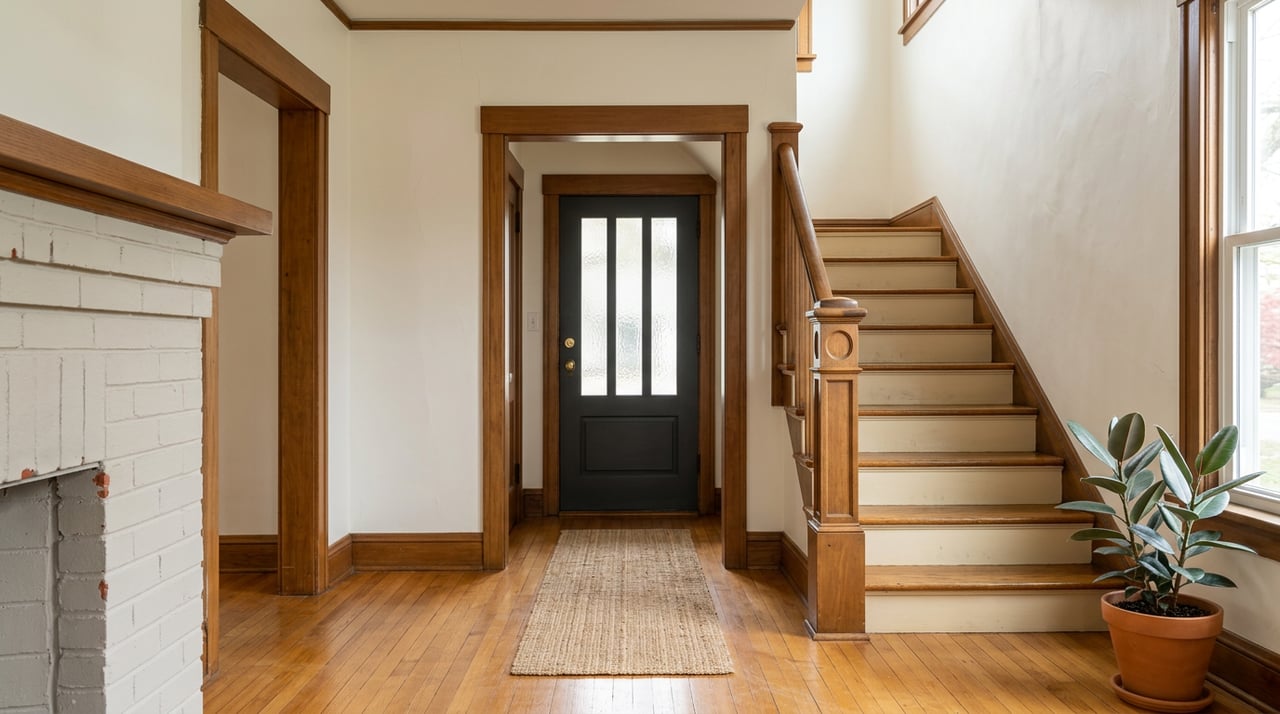
Historic Homes for Sale in Salem: What Buyers Should Know
March 5, 2026
March 5, 2026
Love the look of tall windows, warm woodwork, and a front porch that feels like a step back in time? If you are drawn to character homes, Salem offers real charm within a manageable budget. Still, older properties come with quirks, inspections, and rules you should understand before you write an offer. In this guide, you will learn where to find historic homes in Salem, what to look for during tours, how to budget, and which inspections matter most. Let’s dive in.
Salem’s heart sits around the courthouse square, where you will find late 19th and early 20th century buildings that set the tone for nearby residential streets. The Dent County Courthouse, a Second Empire landmark built in 1870, anchors the area and signals the town’s historic core. Dent County also includes several properties recognized on the Dent County National Register listings, which shows the depth of historic resources in and around town.
If you want to see preserved period details up close, the Dent County Museum is set in an 1890s home and offers a feel for the craftsmanship you can find in older Salem houses. Check it out for context and inspiration at the Dent County Museum.
You will spot the most consistent older housing within a short walk of the courthouse square. The residential blocks near Main and Fourth Streets often include turn-of-the-century homes, with additional examples on small in-town streets. Recent activity has shown older homes appearing on streets like McArthur, Jackson, and Pace.
As you tour, look for intact streetscapes with similar periods of construction. Pay attention to rooflines, porch types, and window patterns that repeat along a block. Those clues can help you identify pockets with more original character.
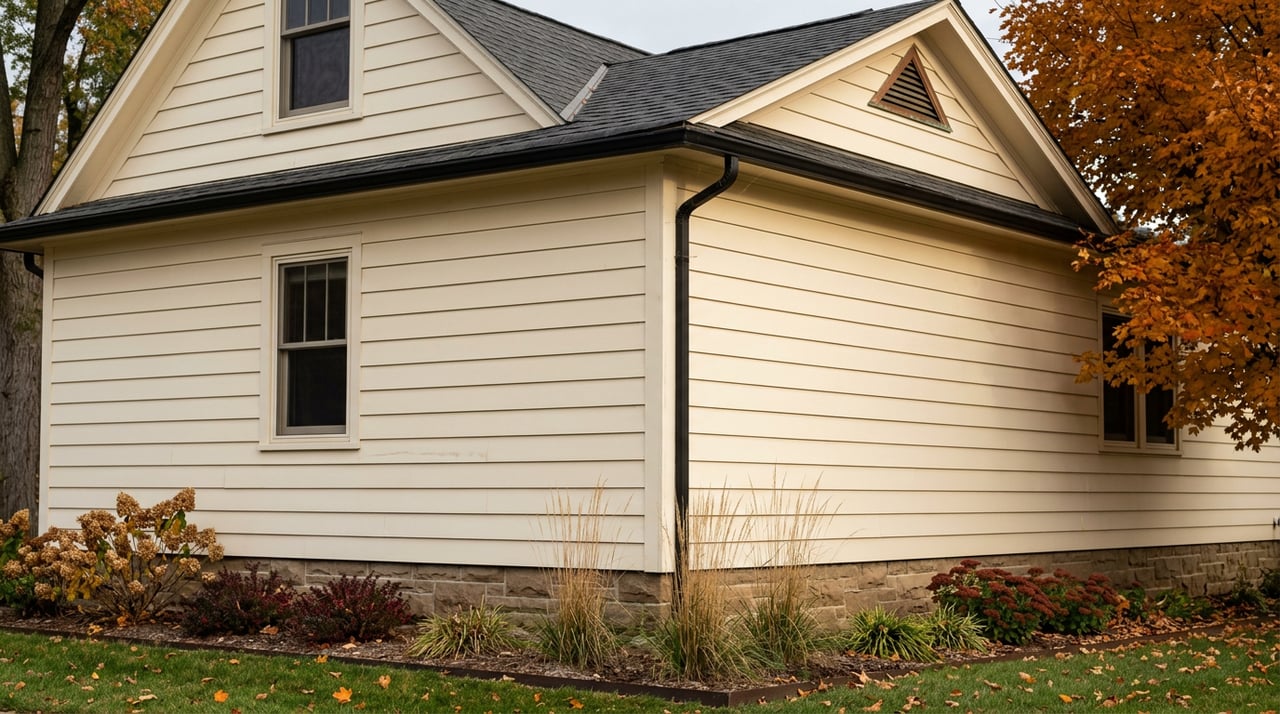
Salem’s older homes reflect the town’s growth from the late 1800s through the early 1900s. You will commonly encounter:
Helpful age clues during showings:
Use listing photos and year-built data to confirm, but these quick reads can help you estimate a home’s era on the fly.
Older properties benefit from a deeper set of inspections than a standard visual review. Missouri’s climate can be tough on roofs, masonry, and wood, so look closely at the following. For context on common defects and how inspectors approach them, see these common Missouri inspection issues.
Masonry foundations can show mortar wear and settling. Basements and crawlspaces sometimes take on water, especially where gutters are undersized or ground slopes toward the house. Roof coverings may be at or beyond their service life. Since structural fixes and chronic water problems can drive the biggest bills, ask your inspector to focus here first.
Older wiring can include knob and tube, ungrounded two-prong outlets, and outdated fuse panels. Plan for a licensed electrician to evaluate service size, panel condition, and grounding. Full rewires land in the thousands to low five figures depending on size and access.
Galvanized or early copper supply lines often reach the end of their lifespan. If the property is outside city utilities, you will want separate well and septic inspections. Water-quality testing and a functional septic review help you plan for repairs or replacement if needed.
Termites and carpenter ants are active in Missouri. A WDO inspection is common in older-home transactions, and some lenders require it. Read more on why it matters here: termite inspection importance in Missouri.
Older homes sometimes carry DIY or unpermitted changes. Ask for permit records when possible, and budget time and money to correct items flagged by your inspector or the appraiser.
A property listed on the National Register is not the same as a locally landmarked home. In short, federal listing is mostly honorary for private owners. It does not restrict what you can do unless certain funding or permits trigger a review, or you are using incentives that come with standards. For a plain-English primer, see the federal overview of National Register effects.
Permits: Significant electrical, plumbing, structural, or roofing work will require permits and inspections. For in-town addresses, confirm the latest rules with the City of Salem’s building contacts. A helpful starting point is this summary of Salem permitting contacts and rules. For county records and past permits, contact Dent County offices. Because procedures and fees can change, always verify before you start work.
Feature decisions: If you love original woodwork, windows, and trim, you can often repair rather than replace. Many buyers use a mixed approach: preserve visible character where it counts, then upgrade systems, insulation, and HVAC for comfort and efficiency. If you plan to pursue historic tax credits for an income-producing property, document conditions early and coordinate with the State Historic Preservation Office.
Every house is different, but you can build a realistic plan with a few ranges and a smart contingency. Use these estimates to start the conversation with local contractors.
Inspection package:
Typical repair and upgrade ranges:
Contingency planning:
Use this punch list to stay organized from first showing through inspection periods.
Buying a historic home should be exciting, not stressful. With a clear plan, the right inspections, and a realistic budget, you can protect what makes the home special while updating it for everyday living. If you want local guidance on which streets to watch, how to structure your offer, or which contractors to call, our team is here to help.
Reach out to the The Closers Real Estate Team for buyer representation, relocation support, and neighborhood-level advice across Salem and Dent County.
Stay up to date on the latest real estate trends.

buyer
with Paige Fairbairn
buyer
with Paige Fairbairn

buyer
with Jenna Davis

acreage
with Sasha Spachmann
acreage
with Tina Nash
Get assistance in determining current property value, crafting a competitive offer, writing and negotiating a contract, and much more. Contact us today.